Best Cat Adiviser is your trusted online destination for everything related to cats.


Dental health plays a critical role in a cat’s overall well-being. Poor oral hygiene can lead to plaque accumulation, gum disease, tooth decay, infections, and systemic health problems affecting the heart, kidneys, and liver. By maintaining proper dental care routines, we can protect our cats from pain, prevent costly veterinary procedures, and extend their quality of life.
Cats are highly skilled at hiding discomfort, which means dental problems often go unnoticed until they become severe. Regular monitoring and preventive care allow us to maintain a clean oral environment that keeps teeth strong and gums healthy.
Common Dental Problems in Cats
Recognizing the most frequent dental issues allows us to address them early and prevent long-term damage.
Plaque and Tartar Buildup
Plaque is a sticky film of bacteria that forms on teeth after eating. If plaque is not removed regularly, it hardens into tartar. Tartar accumulation leads to inflammation of the gums and increases the risk of infection.
Gingivitis
Gingivitis is the earliest stage of gum disease. Symptoms include:
- Red or swollen gums
- Bleeding during chewing
- Persistent bad breath
- Sensitivity around the mouth
Without treatment, gingivitis progresses into periodontal disease.
Periodontal Disease
This advanced condition affects the tissues supporting the teeth. As infection spreads below the gum line, it damages bone and ligaments, causing tooth loss and severe pain.
Tooth Resorption
Tooth resorption is a painful condition where the structure of the tooth breaks down and dissolves. It is common in cats and often requires extraction of the affected tooth.
Stomatitis
Stomatitis is a severe inflammatory condition affecting the mouth and gums. Cats with stomatitis experience intense pain, difficulty eating, and excessive drooling.
Signs Your Cat May Have Dental Problems
Early detection prevents severe complications. Warning signs include:
- Persistent bad breath
- Drooling or excessive saliva
- Difficulty eating or chewing
- Pawing at the mouth
- Bleeding gums
- Loose or missing teeth
- Reduced appetite
- Weight loss
If these symptoms appear, veterinary evaluation is necessary to prevent worsening infection.
Daily Tooth Brushing for Cats
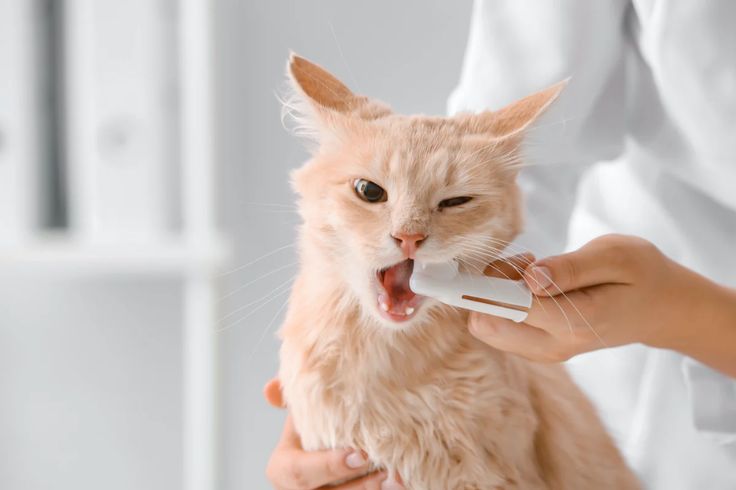
The most effective method for maintaining feline dental health is consistent tooth brushing.
Choosing the Right Tools
Use tools specifically designed for cats:
- Cat toothbrushes or finger brushes
- Enzymatic cat toothpaste
Human toothpaste should never be used because it contains ingredients that are toxic to cats.
How to Introduce Tooth Brushing
Cats adapt best when brushing becomes part of a gradual routine.
- Start by letting the cat taste the toothpaste.
- Gently rub the gums with a finger.
- Introduce a finger brush after several days.
- Transition to a small cat toothbrush.
Short, calm sessions prevent stress and build long-term cooperation.
Best Brushing Technique
We brush the outer surfaces of the teeth using small circular motions. Focus on the gum line where plaque accumulates most rapidly. Even brushing two or three times per week significantly reduces plaque buildup.
Dental Diets and Nutrition for Oral Health
Diet strongly influences dental hygiene. Certain foods help reduce plaque formation and maintain clean teeth.
Dental Cat Food
Specialized dental diets contain larger kibble pieces with a fibrous texture. As cats chew, the kibble gently scrapes plaque from the teeth.
Benefits include:
- Reduced tartar formation
- Improved gum health
- Balanced nutrition
Wet Food vs Dry Food
Wet food offers hydration benefits but tends to stick to teeth more easily. Dry dental formulas can help mechanically remove plaque during chewing.
Combining both types provides balanced nutrition while supporting oral hygiene.
Dental Treats That Support Healthy Teeth
Dental treats are designed to reduce plaque and tartar while satisfying a cat’s natural chewing instincts.
Effective dental treats typically feature:
- Textured surfaces that scrub teeth
- Ingredients that inhibit bacterial growth
- Low calorie formulations
These treats should complement brushing rather than replace it.
Water Additives for Cat Dental Care
Dental water additives are an easy supplemental solution. These products mix with drinking water and help control bacteria responsible for plaque and bad breath.
Benefits include:
- Fresh breath improvement
- Reduced bacterial growth
- Simple daily application
Water additives work best when combined with brushing and proper diet.
Professional Veterinary Dental Cleanings
Even with excellent home care, professional dental cleanings remain essential.
What Happens During a Veterinary Dental Cleaning
A professional cleaning typically includes:
- Full oral examination
- Dental X-rays
- Scaling to remove tartar above and below the gum line
- Polishing to smooth tooth surfaces
- Extraction of severely damaged teeth if necessary
These procedures are performed under anesthesia to ensure safety and precision.
How Often Cleanings Are Needed
Most cats benefit from veterinary dental cleaning once every 1–2 years, although some require more frequent care depending on genetics and oral health history.
Natural Ways to Support Cat Oral Health
In addition to brushing and veterinary care, natural strategies can help maintain dental hygiene.
Chew Toys
Chew toys stimulate gums and reduce plaque buildup. Durable rubber or textured toys designed for cats can gently clean teeth during play.
Raw Meaty Bones (Vet Guidance Required)
In some controlled feeding plans, raw bones provide mechanical cleaning. However, this approach should only be used under veterinary supervision to avoid injury.
Herbal Oral Rinses
Some veterinary-approved herbal rinses contain antibacterial ingredients that support gum health and reduce oral bacteria.
Preventing Dental Disease in Cats
Prevention is the most effective strategy for maintaining oral health.
We can reduce dental disease by maintaining a consistent routine:
- Regular tooth brushing
- Dental diets or plaque-reducing kibble
- Dental treats in moderation
- Annual veterinary dental exams
- Observation of early warning signs
When these practices are combined, plaque accumulation slows significantly and the risk of gum disease decreases.
Building a Simple Cat Dental Care Routine
Consistency ensures long-term success. A practical routine might include:
Daily
- Provide fresh water with dental additive
- Offer dental kibble or plaque-reducing food
Several Times Per Week
- Brush the cat’s teeth
- Inspect gums and teeth for abnormalities
Monthly
- Check for tartar buildup or bad breath
Annually
- Schedule a veterinary dental examination
This routine maintains oral health without overwhelming the cat or owner.
The Long-Term Benefits of Proper Cat Dental Care
Cats with strong dental hygiene experience significant health advantages:
- Reduced risk of systemic infections
- Improved appetite and nutrition
- Longer lifespan
- Less need for invasive dental procedures
- Greater comfort and quality of life
Investing time in preventive care protects both the cat’s health and the owner’s veterinary expenses.
Conclusion: Maintaining Lifelong Dental Health for Cats
Healthy teeth and gums are essential for a cat’s overall wellness. By implementing regular tooth brushing, dental-friendly nutrition, preventive veterinary care, and consistent monitoring, we create a powerful defense against plaque buildup, gum disease, and painful oral conditions.
A proactive approach ensures our cats maintain strong teeth, fresh breath, and comfortable eating habits throughout their lives. Through consistent care and attention, we preserve not only their dental health but also their long-term vitality and happiness.
FAQ
1. How often should I brush my cat’s teeth?
Veterinarians recommend brushing daily whenever possible. However, brushing three times per week is generally considered the minimum for preventing plaque buildup.
2. Can dry food clean my cat’s teeth?
Regular dry food provides limited dental benefits. Specialized dental diets are designed specifically to reduce plaque and may help maintain oral health.
5. At what age should cat dental care begin?
Dental care should ideally begin when cats are kittens so they become comfortable with brushing and oral examinations.