Best Cat Adiviser is your trusted online destination for everything related to cats.

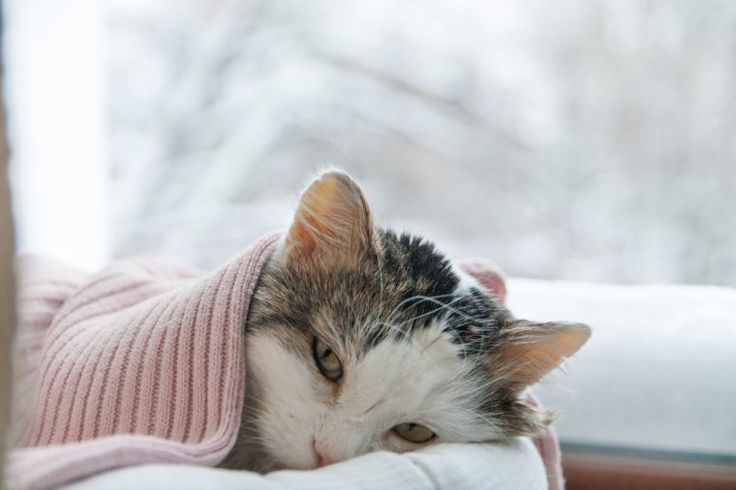
If you’ve ever seen your kitten struggling in the litter box, you know how worrying it can feel.
A constipated kitten may strain, cry, or repeatedly visit the litter box without success. While constipation is fairly common in young cats, it can quickly become uncomfortable and even dangerous if ignored.
The good news is that most cases can be treated with simple home remedies, better hydration, and small diet adjustments. By understanding the signs and causes early, you can help your kitten feel better quickly and keep their digestive system healthy.
In this guide, you’ll learn why kittens get constipated, the warning signs to watch for, and the safest ways to help your kitten poop again.
Understanding Kitten Constipation
What Is Constipation in Kittens?
Constipation in kittens occurs when they struggle to pass stool or fail to produce a bowel movement for an extended period. In simple terms, it means your kitten cannot poop normally, which can cause discomfort and even serious health issues if ignored. While occasional irregularity may happen, persistent difficulty passing stool is a clear sign something is wrong inside your kitten’s digestive system.
Veterinary sources define kitten constipation as the absence of bowel movements for 24–48 hours or longer, often accompanied by dry, hard stools and visible straining in the litter box. When stool sits too long in the colon, the body continues absorbing water from it, making the feces harder and more difficult to pass. This creates a painful cycle where the kitten avoids using the litter box because it hurts to poop.
Young kittens are especially sensitive to digestive problems because their bodies are still developing. Their digestive systems are smaller, less stable, and more easily affected by diet changes, dehydration, parasites, or stress. Even something simple like switching food too quickly can disrupt digestion.
Another reason constipation can be serious is the risk of fecal impaction, where hardened stool becomes stuck in the colon. In severe cases, this condition can stretch the colon and lead to a disorder called megacolon, which affects the cat’s ability to pass stool normally.
Recognizing constipation early allows pet owners to treat it quickly with simple solutions such as hydration, diet adjustments, and gentle stimulation. The earlier you intervene, the easier it is to help your kitten feel comfortable again.
How Often Should a Healthy Kitten Poop?
Understanding normal kitten bathroom habits is one of the easiest ways to identify constipation early. Most healthy kittens poop at least once a day, and many go even more frequently depending on their age, diet, and activity level.
Very young kittens, especially those under four weeks old, often need help from their mother to stimulate bowel movements. The mother cat typically licks the kitten’s belly and genital area to encourage urination and defecation. If a kitten is orphaned or bottle-fed, a caregiver must gently mimic this stimulation using a warm cloth.
As kittens grow older and begin eating solid food, their digestive systems mature and they start using the litter box independently. At this stage, their bowel schedule becomes more predictable. Many kittens produce stool between two and four times per day, particularly when they are eating multiple small meals.
When a kitten skips a bowel movement for more than 24 hours, it does not automatically mean there is a problem. However, if 48 hours pass without stool, most veterinarians recommend seeking advice because prolonged constipation can quickly become uncomfortable or dangerous.
Tracking your kitten’s litter habits might sound excessive, but it’s actually one of the best ways to protect their health. A sudden change such as less frequent pooping, straining, or crying in the litter box often signals digestive trouble before other symptoms appear.
By learning what “normal” looks like for your kitten, you’ll quickly recognize when something is off and be able to help them before the problem becomes serious.
Signs Your Kitten May Be Constipated
Common Symptoms to Watch For
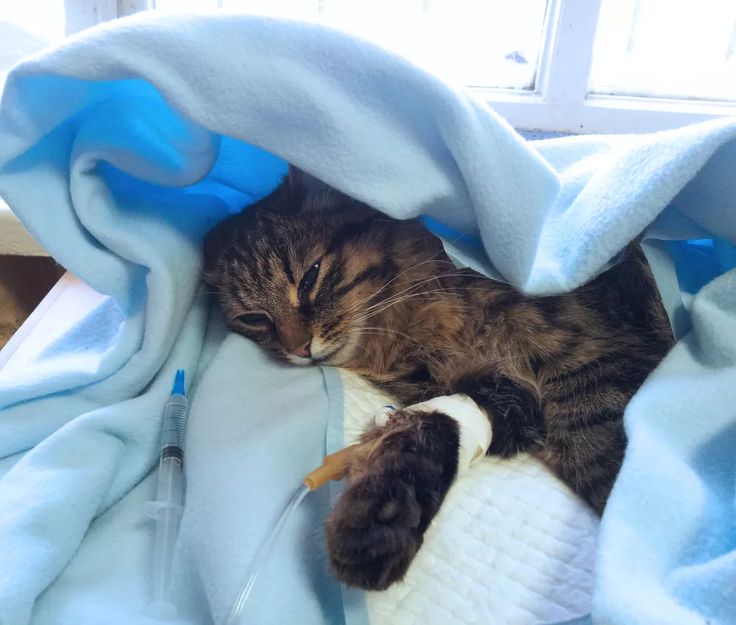
Constipation in kittens doesn’t always show up as an obvious lack of poop. Sometimes the signs are subtle, and pet owners may overlook them until the kitten becomes visibly uncomfortable. Recognizing the early symptoms makes a huge difference in how quickly you can resolve the problem.
One of the most noticeable signs is straining in the litter box. Your kitten may repeatedly squat or push without producing much stool. If they do manage to poop, the stool may be small, dry, or unusually hard. These hard pellets are a classic indicator that the digestive system isn’t moving waste effectively.
Another common sign is frequent visits to the litter box with little success. Your kitten may go in and out repeatedly, almost as if trying to poop but giving up after a few seconds. Some kittens even cry or vocalize while attempting to pass stool because the process is painful.
Changes in appetite can also signal constipation. A kitten that normally eats enthusiastically might suddenly become less interested in food. Digestive discomfort often reduces appetite, which can quickly lead to weakness in young animals.
In more advanced cases, kittens may show physical symptoms such as a bloated or firm abdomen. The belly might feel slightly hard when gently touched because stool is trapped in the colon. Other signs can include lethargy, vomiting, or hiding behavior—signals that the kitten is not feeling well.
Monitoring these symptoms closely is essential. Even mild constipation should be addressed early to prevent it from progressing into a more serious condition.
Behavioral Changes in Constipated Kittens
Cats communicate discomfort in subtle ways, and kittens are no different. When a kitten is constipated, its behavior often changes long before the physical symptoms become obvious.
One behavioral change you may notice is restlessness. The kitten may seem unable to settle down comfortably because of abdominal pressure. Instead of relaxing or playing normally, they may wander around or repeatedly return to the litter box.
Some kittens also begin avoiding the litter box entirely. This might seem surprising, but it happens because the kitten associates the litter box with pain. If passing stool previously hurt, the kitten may start looking for other places in the house to relieve itself.
Another sign is reduced activity levels. Healthy kittens are usually energetic and playful, constantly chasing toys or exploring their surroundings. A constipated kitten, however, may become unusually quiet or sleepy because discomfort drains their energy.
You might also observe excessive grooming around the rear area. This behavior often occurs when the kitten feels irritation or pressure near the anus due to hard stool.
Paying attention to these behavioral clues is incredibly helpful for early detection. Kittens can’t tell us when something hurts, but their actions often reveal the problem.
Main Causes of Constipation in Kittens
Dehydration and Diet Issues
One of the most common causes of constipation in kittens is dehydration. When a kitten doesn’t drink enough water, the body pulls moisture from the stool inside the colon. This process makes the stool dry, hard, and difficult to pass.
Dehydration often happens when kittens eat mostly dry kibble without drinking enough water. Unlike dogs, cats naturally have a low thirst drive because their ancestors obtained most of their hydration from prey. As a result, kittens eating dry food alone may unintentionally consume too little water.
Dietary imbalance is another major factor. If a kitten’s diet lacks fiber or contains low-quality ingredients, the digestive system may struggle to move waste efficiently. Fiber plays an important role because it absorbs water and adds bulk to stool, helping the colon push waste out smoothly.
Sudden changes in food can also disrupt digestion. Switching brands or formulas too quickly can upset the gut microbiome, leading to constipation or diarrhea. Veterinarians often recommend gradually introducing new foods over several days to allow the digestive system to adjust.
Finally, underfeeding or irregular feeding schedules may contribute to constipation. The digestive tract relies on regular meals to maintain movement. Without consistent feeding, the gut slows down, making it harder for stool to pass.
Understanding these dietary factors is important because simple changes—like increasing water intake or improving food quality—can often resolve mild constipation quickly.
Hairballs, Blockages, and Health Conditions
While dehydration and diet are common causes, constipation can also result from more complex issues such as hairballs, intestinal blockages, or underlying medical conditions.
Kittens groom themselves frequently, and during grooming they swallow loose fur. Normally this fur passes through the digestive system without trouble. However, if too much hair accumulates, it can form hairballs that slow intestinal movement or partially block the colon.
Another potential cause is foreign objects. Curious kittens often chew on strings, plastic, or small household items. If swallowed, these objects may become stuck in the digestive tract and prevent normal bowel movements.
Parasites are also a common issue in young kittens. Intestinal worms can interfere with digestion, leading to constipation, diarrhea, or irregular stool patterns.
Some medical conditions affect the nerves or muscles that control the colon. In these cases, the colon cannot contract properly to push stool out. Although this is less common in kittens than in adult cats, it can still occur.
Veterinarians also note that stress such as moving to a new home or changes in routine can temporarily slow digestion. Cats are sensitive animals, and emotional stress sometimes manifests as digestive problems.
Identifying the root cause is essential because treatment depends on the underlying issue. While mild constipation may improve with home remedies, more serious causes require professional veterinary care.
Immediate Home Remedies for a Constipated Kitten
Increase Water and Hydration
Hydration is one of the simplest and most effective ways to help a constipated kitten. When the body receives enough water, stool stays soft and easier to pass through the digestive tract.
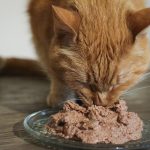
A practical approach is switching from dry food to high-moisture wet food. Wet cat food contains significantly more water than kibble, which helps keep the digestive system hydrated and moving properly. Many veterinarians recommend wet food for kittens prone to constipation for this reason.
Another helpful trick is adding a small amount of warm water to food. This increases moisture intake without drastically changing the diet. Some kittens accept this easily, especially if the water blends into their food.
Providing multiple water sources around the house can also encourage drinking. Cats often prefer running water, so a pet water fountain may motivate them to drink more frequently.
Flavoring water slightly using a tiny amount of tuna juice or low-salt broth can also entice picky kittens to hydrate. Just be careful to avoid ingredients like onion or garlic, which are toxic to cats.
Hydration plays such a crucial role in digestion that even mild dehydration can trigger constipation. Ensuring your kitten drinks enough water is one of the best preventive strategies for digestive health.
Add Safe Fiber to the Diet
Fiber acts like a gentle helper inside the digestive system. It adds bulk to stool and encourages the colon to contract, which helps move waste through the intestines more efficiently.
One of the most commonly recommended natural fiber sources for kittens is plain canned pumpkin. Small amounts usually about a teaspoon mixed into food can help soften stool and improve bowel movement frequency.
Another option is specialized high-fiber kitten food, which is formulated to support digestive health. These foods often include ingredients like psyllium or beet pulp that regulate bowel movements.
Probiotics may also be beneficial. These supplements introduce beneficial bacteria into the gut, helping maintain a balanced digestive system. A healthy gut microbiome can improve stool consistency and reduce digestive issues.
However, fiber should always be introduced gradually. Too much fiber too quickly can lead to diarrhea or gas. When in doubt, consult a veterinarian before adding supplements to your kitten’s diet.
Balanced nutrition combined with adequate hydration often resolves mild constipation naturally, making fiber one of the safest and most effective home remedies.
Gentle Physical Techniques That Help
Belly Massage for Kittens
A gentle belly massage can sometimes help stimulate a kitten’s digestive system and encourage a bowel movement. This technique mimics the natural stimulation kittens receive from their mother when they are very young.
To perform the massage, place the kitten on a soft surface and use your fingertips to make small circular motions on the lower abdomen. The pressure should be extremely gentle just enough to move the skin slightly. The goal is to stimulate the intestines without causing discomfort.
Many kittens respond well to this method because the motion encourages the colon to contract and move stool forward. Massaging for a few minutes after meals can be especially effective, as digestion naturally becomes more active during this time.
Consistency is important. Performing this massage once or twice daily can help regulate bowel movements, particularly for kittens recovering from mild constipation.
Stimulating Very Young Kittens
Kittens younger than three or four weeks often require stimulation to urinate and defecate. In natural conditions, the mother cat performs this task by licking the kitten’s belly and genital area.
When caring for orphaned kittens, you can mimic this behavior using a warm, damp cloth or cotton pad. Gently rub the area under the tail in small circular motions after feeding. This stimulates the nerves that trigger bowel movements.
This technique should be performed carefully and patiently. Sometimes it takes a few minutes before the kitten responds, but consistent stimulation usually produces results.
Veterinary guides emphasize that this step is essential for very young kittens because they cannot eliminate waste independently until their nervous systems mature.
Once the kitten reaches about four weeks of age and begins using a litter box, stimulation usually becomes unnecessary.
Lifestyle Changes That Prevent Constipation
Exercise and Play
Physical activity plays a surprisingly important role in digestion. When kittens run, jump, and play, their muscles including those in the digestive system become more active.
Encouraging regular playtime helps stimulate intestinal movement. Simple activities like chasing toys, climbing cat trees, or exploring new spaces keep the digestive system functioning properly.
Kittens that remain inactive for long periods may experience slower digestion, increasing the risk of constipation. Daily play sessions help prevent this problem while also supporting overall health and development.
Proper Litter Box Setup
A comfortable litter box environment can significantly influence a kitten’s bathroom habits. If the litter box is dirty, poorly placed, or difficult to access, kittens may delay using it.
Cats naturally prefer clean environments for elimination. Keeping the litter box clean and odor-free encourages regular use and prevents stool retention.
Location also matters. The litter box should be placed in a quiet area away from loud appliances or heavy foot traffic. Stressful environments can make kittens reluctant to use the box.
For households with multiple cats, veterinarians recommend having one litter box per cat plus one extra. This prevents competition and ensures every cat has easy access to a clean bathroom space.
When to Visit the Veterinarian
Warning Signs That Require Immediate Care
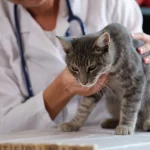
While many cases of mild constipation can be managed at home, some situations require immediate veterinary attention.
You should contact a veterinarian if:
- Your kitten hasn’t pooped for more than 48 hours
- The kitten is vomiting or refusing food
- There is blood in the stool
- The kitten shows severe pain or lethargy
Veterinary experts warn that constipation lasting more than two days increases the risk of fecal impaction and dehydration, which may require medical treatment.
Early veterinary intervention ensures that serious conditions such as intestinal blockages or infections are identified and treated quickly.
Veterinary Treatments for Kitten Constipation
Medications and Medical Procedures
When home remedies aren’t enough, veterinarians have several effective treatments available. The specific treatment depends on the cause and severity of the constipation.
Common veterinary treatments include:
| Treatment | Purpose |
|---|---|
| Fluid therapy | Rehydrates the kitten and softens stool |
| Laxatives | Helps the intestines move stool |
| Enemas | Loosens hardened fecal matter |
| Diet therapy | High-fiber or prescription food |
In severe cases, veterinarians may need to manually remove impacted stool while the kitten is under anesthesia. This procedure is rare but sometimes necessary when the colon becomes severely blocked.
Veterinarians may also perform diagnostic tests such as X-rays or ultrasounds to identify underlying issues like blockages or colon enlargement.
Preventing Constipation in the Future
Preventing constipation is far easier than treating it. By maintaining healthy habits, you can significantly reduce the chances of your kitten experiencing digestive issues again.
Key prevention strategies include:
- Feeding high-quality kitten food
- Ensuring constant access to fresh water
- Encouraging daily exercise and play
- Keeping litter boxes clean and accessible
- Scheduling regular veterinary checkups
These habits support a healthy digestive system and help your kitten grow into a strong, happy cat.
Conclusion
Constipation in kittens is a common problem, but it should never be ignored. Because kittens have delicate digestive systems, even mild constipation can quickly become uncomfortable or dangerous if left untreated. Fortunately, many cases can be resolved with simple steps such as increasing hydration, improving diet, encouraging exercise, and using gentle stimulation techniques.
Understanding the early warning signs like straining in the litter box or changes in behavior allows you to act quickly and prevent more serious complications. Monitoring your kitten’s bathroom habits may seem like a small detail, but it provides valuable insight into their overall health.
If home remedies don’t work or symptoms worsen, veterinary care is essential. Professional treatment ensures that serious conditions such as blockages or dehydration are addressed before they become life-threatening.
With attentive care, proper nutrition, and a clean environment, most kittens recover quickly and return to their playful, energetic selves.
FAQ
1. How long can a kitten go without pooping?
Most kittens should poop at least once every 24 hours. If your kitten hasn’t had a bowel movement for 48 hours, it’s best to consult a veterinarian.
2. Can pumpkin help a constipated kitten?
Yes. Small amounts of plain canned pumpkin contain natural fiber that can soften stool and promote bowel movements.
3. Is constipation dangerous for kittens?
It can be. If untreated, constipation may lead to fecal impaction, dehydration, or digestive blockages.